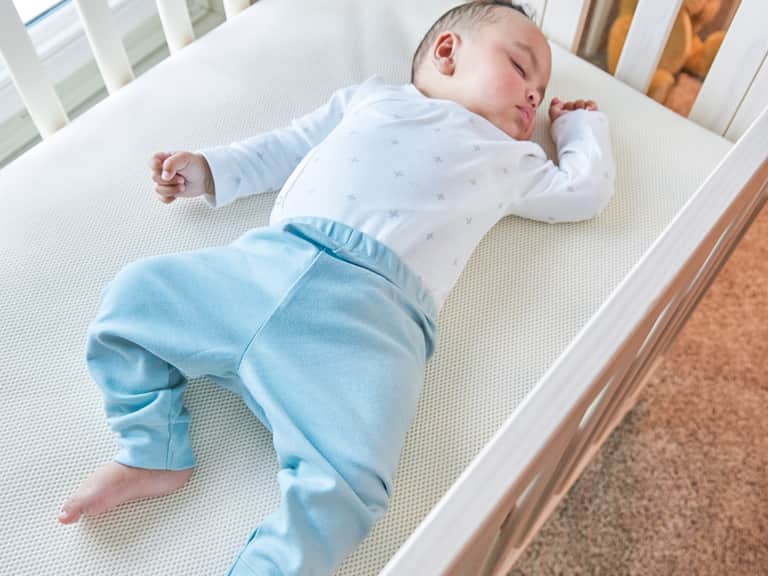
Crib mattresses are specialized sleep surfaces designed to fit standard crib frames while providing support and safety for infants. They typically feature compact dimensions, firmer builds, and materials chosen to minimize risk factors such as suffocation or entrapment. Understanding the core design considerations helps caregivers select the most suitable option for reliable nightly rest.
Key characteristics of quality crib mattresses include appropriate firmness, breathable surfaces, and durable waterproof or washable covers. Many models emphasize seam-free cores to reduce creasing and mold growth, while ensuring easy cleaning. For families prioritizing air circulation, materials like breathable foams or reinforced venting channels are important features.
Organic crib mattresses prioritize non-toxic materials and low off-gassing, aligning with concerns about infant health and environmental impact. Certifications or claims related toCertifications, such as GOTS or Global Organic Textile Standard compatibility, can indicate safer material choices. Parents often evaluate durability, seam integrity, and the absence of harmful additives when comparing options.
Within the category, notable products include Naturepedic Organic Mini Crib Mattress, which combines a compact form with layered comfort and organic cotton or non-toxic components. Functional benefits may include easy wipe-clean surfaces, reinforced edge support, and a firm sleeping surface designed for infant safety and stabilization during sleep.
Understanding mattress anatomy and usage guidelines supports safer sleep practices. Proper fit with no gaps around the crib interior, regular surface cleaning, and using a fitted sheet that does not impede ventilation contribute to a healthier sleep environment. Keywords such as bedding, sheets, pillows, and organic mattresses frequently appear in discussions of crib comfort and safety.
 Nursery