A Practical Guide to Choosing Latex Mattresses: Types, Benefits, and What to Consider
Latex mattresses have earned a reputation for balancing buoyant support with a buoyant softness that speaks to the nuanced needs of every sleeper. This guide dives into the smooth, springy world of latex—contrasting Dunlop and Talalay processes, outlining the practical benefits for different sleep positions, and offering a clear, non-commercial framework for evaluating options. Along the way, we’ll reference natural and organic latex options from reputable brands, with attention to certifications, environmental considerations, and durability that matters in real life, not just marketing speak.
What makes latex different?
Latex stands apart from memory foam and traditional innerspring because of how it responds to body weight and heat. Natural latex, derived from the sap of rubber trees, has an elastic quality that yields a responsive, buoyant feel. It offers a balance between contouring and support, encouraging pressure relief without the "sinking" sensation that can accompany some foam beds. The texture is distinct: a lively return that maintains shape and a breathable structure that often helps with temperature management, although the degree of cooling depends on the density, the presence of pin cores, and the cover materials.
Two primary latex manufacturing processes shape the feel of the mattress: Dunlop and Talalay. Each delivers a different density, cell structure, and overall response profile, which translates into practical consequences for comfort, durability, and motion transfer. Understanding the distinction helps readers move beyond generic claims and toward a choice that aligns with sleep style, body weight, and preferred climate in the bedroom.
Dunlop latex vs. Talalay latex: how they differ
Dunlop latex is poured into a mold and then cured as a single block. The resulting structure tends to be denser at the bottom with a gradual, more uniform feel across the surface. This can translate into a sturdier support core with a slight emphasis on firmness near the foundation of the mattress. For sleepers who prefer a firmer baseline with a gentle cradle, Dunlop can be an excellent choice, especially when paired with a comfortable top layer or a softer pillow top.
Talalay latex, by contrast, is poured into a mold, flash-frozen to stabilize the bubbles, and then cured. The process yields a lighter, more uniform cell structure with a springier, more responsive feel. The overall result is often described as a balanced, buoyant contour with smoother pressure relief that maintains lift under heavier limbs. Talalay latex is favored by many for its consistent feel across the surface and its pronounced ability to bounce back after movement.
Key factors to compare when shopping latex mattresses
- Material source and certifications: Look for labels such as GOLS (Global Organic Latex Standard) or other reputable certifications that attest to organic content, processing standards, and overall fiber quality. Certification matters because it signals a commitment to minimal chemical exposure and environmental integrity.
- Core composition: Decide whether you prefer Dunlop or Talalay, or a blend. Some mattresses feature a Dunlop core with a Talalay comfort layer, which can offer a hybrid feel—sturdy support with buoyant contouring on top.
- Layering and zoning: Some latex mattresses use zoning or multi-layer constructions to address different support needs across the body. Consider how this aligns with your sleeping posture, whether you sleep on your back, side, or stomach, and how much cushion you want at the hips and shoulders.
- Firmness and feel: Latex mattresses come in a spectrum of firmness levels. A “medium” latex bed often serves a wide audience, but side sleepers may prefer a softer top layer for shoulder and hip relief, while back sleepers might opt for a firmer support core for spinal alignment.
- Temperature regulation: While latex can be breathable, the overall climate of the bed depends on the cover fabric, additional comfort layers, and the overall density. Lighter, more breathable covers paired with moderate thickness layers can reduce heat buildup for many sleepers.
- Durability and recovery: Latex is known for long-lasting resilience. A high-quality Dunlop or Talalay core often withstands decades of use with minimal compression, provided the bed is supported by a robust foundation and not subjected to excessive moisture or UV exposure.
Brand context: Naturepedic and Saatva’s latex lines
Two brands frequently cited in conversations about latex mattresses are Naturepedic and Saatva. Naturepedic emphasizes organic materials and non-toxic construction across its latex offerings, often pairing natural latex with certified organic cotton or wool textile layers. The emphasis on chemical-free materials resonates with readers who prioritize indoor air quality and natural fibers in the sleep environment.
Saatva, known for its hybrid and all-foam products, also offers latex-based options that highlight consistent zoning, durable support cores, and a strong emphasis on long-term value. Saatva’s latex lines tend to balance the quick responsiveness of latex with practical considerations like edge support and cooling performance, aiming to meet a broad range of sleep preferences.
Brand context matters because certifications, material choices, and construction philosophy shape the real-life feel of the bed: how it handles heat, how it supports the lumbar spine, and how it holds up after months and years of nightly use. When evaluating latex mattresses, cross-checking claims with independent testing and consumer reviews can reveal the full texture of the product beyond glossy marketing language.
What to consider in your personal sleep profile
Your body weight, sleep position, and sensitivity to temperature all influence how a latex mattress will perform for you. For example, heavier individuals may benefit from a denser Dunlop core that provides substantial support, while lighter sleepers might enjoy a more responsive Talalay layer that offers a linen-light bounce without sacrificing alignment. Side sleepers who shoulder a higher risk of pressure points may appreciate a softer top layer to cushion the shoulders and hips, whereas back sleepers might prioritize a plan that maintains a stable spinal alignment with a moderate amount of contour.
Temperature considerations vary with bedding choices beyond latex alone. Breathable covers, natural fibers, and surface materials that wick moisture can all contribute to a cooler night. If you’re prone to night sweats or live in a humid climate, pay attention to the ventilation properties of the cover and any additional top layers that can trap heat.
A note on organic and natural materials
Organic latex is not the sole determinant of a bed’s environmental footprint. The cultivation methods of the rubber trees, the processing solvents or catalysts used during manufacturing, and the overall life cycle of the product all contribute to sustainability. Certifications such as GOTS for textiles and GOLS for latex ensure that the fabric or core components meet stringent environmental and health standards. For conscientious shoppers, these certifications offer a meaningful signpost that the product aligns with broader goals of responsible sourcing and reduced chemical exposure.
If organic content is central to your decision, scrutinize the entire supply chain, not just the label on the mattress. A well-constructed latex bed with robust certification can be a durable, safer choice that ages gracefully, maintaining shape and comfort through years of use.
Practical buying steps: a concise framework
- Assess your priorities: pressure relief, bounce, temperature, and durability. Decide which aspects matter most to you and your sleep partner if applicable.
- Choose a core type: decide between Dunlop, Talalay, or a hybrid approach. Consider any health or sensory sensitivities that might affect how you perceive the feel.
- Set a firmness target: a general rule of thumb is to align firmness with sleep position: side sleepers often opt for softer top layers, back sleepers for mid-range support, and stomach sleepers for firmer overall support to prevent bowing of the spine.
- Inspect certifications: look for GOLS, organic textile certifications, and independent safety seals. Certification signals product integrity beyond marketing messages.
- Consider the foundation: ensure you have a solid, well-ventilated foundation or bed frame. A poor foundation can undermine even the finest latex layers.
- Test and return policies: if shopping online, confirm the return policy and comfort guarantee. Latex can feel different in a showroom than at home, so an extended trial can be valuable.
A curated look at latex options that fit this site’s catalog
If you’re exploring latex options within this site’s ecosystem, a few product descriptions and links may guide your understanding of what a quality latex mattress promises. For instance, the Downtown Company offers a refined approach to bedding with a focus on durable, breathable layers that pair well with natural fibers. While not a latex product itself, the brand emphasis on comfort, longevity, and thoughtful design mirrors the values that many latex proponents seek in a sleep surface.
In the realm of latex-influenced comfort, brands like Naturepedic and Saatva illustrate how organic content and constructed resilience translate into consumer confidence. Naturepedic’s emphasis on organic materials and non-toxic design resonates with readers who value air quality and a clean sleeping environment. Saatva’s latex offerings tend to emphasize a blend of contour, support, and durability that aligns with a wide spectrum of sleepers who desire a resilient surface with a responsive top layer.
Conclusion: latex as a thoughtful choice, not a quick fix
Latex mattresses invite a considered, nuanced approach to sleep comfort. They offer a spectrum of feel—from buoyant and springy to gently contouring—paired with durable construction and a track record of long-term performance. The decision to choose latex should be guided by how your body interacts with the material, the climate of your sleeping environment, and the level of certainty you require from certifications and sourcing practices. By weighing Dunlop versus Talalay, examining layered configurations, and aligning with brands that prioritize organic materials and rigorous standards, you position yourself for nights of quiet, restorative rest that resist the hustle of the day.
Product notes from the site
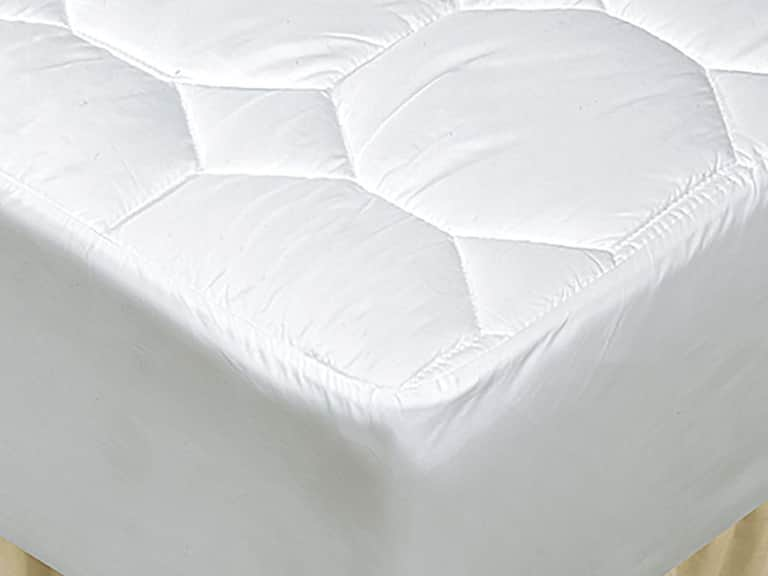
- The Downtown Company Luxury Cotton Mattress Pad (id 1845) is a non-latex accessory designed to complement sleep surfaces with breathable, machine-washable comfort. It serves as a practical example of how layering and textile choice influence the feel of an integrated sleep system, even when not directly a latex core.
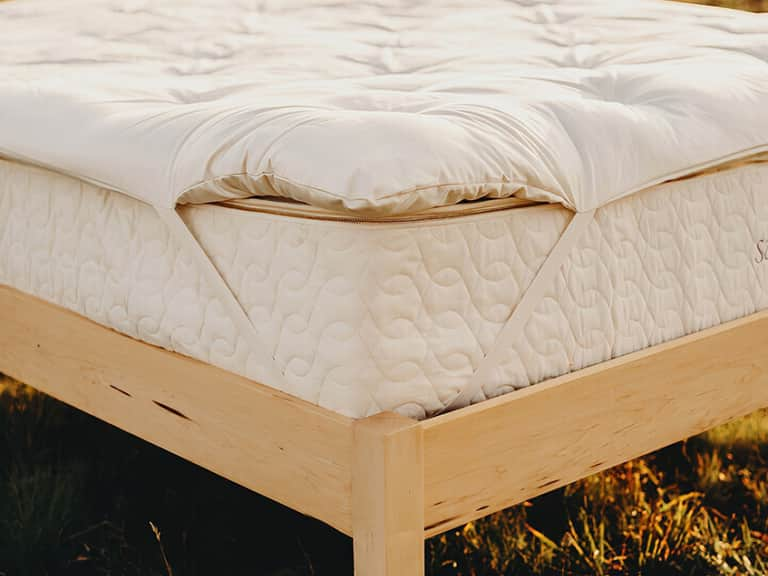
- The Savvy Rest Natural Savvy Woolsy Mattress Topper (id 584) demonstrates how wool layering can contribute to thermal regulation and pressure relief, often pairing well with latex cores to optimize comfort across seasons. Its organic, certified content aligns with the environmental considerations highlighted in this guide.