In a world that moves at a relentless pace, the quiet hours before dawn are a sanctuary. Sleep hygiene—the disciplined cultivation of habits that support restful, restorative sleep—offers a reliable framework for turning that sanctuary into a daily advantage. Grounded in current sleep science, this article weaves practical routines with environmental tweaks, drawing on insights from every era to illuminate why certain practices endure.
From ancient rhythms that governed rest to modern investigations into circadian biology, the quest for better sleep has always been a blend of discipline and adaptation. In the spirit of National Geographic’s storytelling tradition, we traverse time and technique, highlighting how simple changes—like a cooler bedroom, a calmer pre-bed routine, and the right bedding companions—can realign our bodies with the natural cadence of night and day.
1) The Spine of Sleep: Consistent Schedule and Pre-Bed Rituals
A dependable sleep-wake schedule anchors your circadian clock, the 24-hour rhythm that governs alertness, hormone release, and core body temperature. Consistency isn’t merely about going to bed at the same hour; it’s about signaling to your nervous system that the day has folded into night. A predictable routine at the same time each evening can dramatically improve sleep onset and quality.
Practical steps include:
- Set a fixed bedtime and wake time, even on weekends.
- Create a 30–60 minute wind-down window with low-stimulation activities.
- Establish a relaxing pre-bed routine: dim lights, gentle stretching, light reading, or meditation.
The pre-bed ritual is not simply routine; it is a signal to the body. In the same way explorers mark the border between day and night, the ritual delineates the transition from wakefulness to sleep. This practice echoes the wisdom of past civilizations that scheduled rest before the darkest hours of the night and aligns with contemporary evidence showing improved sleep onset when screens are dimmed and cognitive load is lowered before bed.
2) The Bedroom as a Sanctuary: Environment, Temperature, and Light
Environment is the canvas on which sleep is painted. The room should invite repose through a balance of temperature, darkness, and quiet. A cooler bedroom—generally around 60–67°F (15–19°C)—supports the body’s natural drop in core temperature that accompanies sleep, helping you fall asleep faster and stay asleep longer. Light, noise, and scent play precise roles in how deeply you rest.
Key considerations include:
- Shut out extraneous light with heavy curtains or a sleep mask, aiding melatonin production.
- Limit ambient noise or use white noise to mask disruptions without introducing awakenings.
- Minimize strong scents and avoid pesticides or overpowering fragrances that can disrupt sleep.
A well-chosen mattress topper or breathable bedding can subtly influence temperature and comfort. For instance, a latex or natural-fiber topper can provide pressure relief without trapping heat, while breathable sheets promote airflow. These considerations align with a broader principle: comfort is a physiological prerequisite for quieting the mind, and the right materials can help you drift toward the boundary between wakefulness and rest.
3) The Body’s Language: Sleep Quality, Hydration, and Nutrition
Quality sleep is not exclusive to the hours spent in bed. It is influenced by daytime habits—hydration patterns, caffeine intake timing, and meal composition. Late meals, especially rich or spicy foods, can disrupt sleep by increasing metabolic activity and body temperature. Similarly, caffeine and nicotine consumed late in the day can delay sleep onset or fragment sleep.
Practical guidance includes:
- Avoid caffeine after mid-afternoon; consider herbal or non-caffeinated beverages after dinner.
- Limit heavy, late meals; if hungry, opt for light, sleep-friendly foods with complex carbohydrates and a small protein.
- Hydrate earlier in the day but minimize fluid intake in the hours leading to bedtime to reduce awakenings.
Beyond hydration and nutrition, sleep hygiene encompasses managing stress and mental activity. Gentle, reflective practices—journaling a few thoughts before bed, deep-breathing exercises, or guided imagery—can dampen racing thoughts. Over time, these practices contribute to deeper, more restorative slumber, echoing a long-standing human emphasis on rituals that prepare the psyche for quiet rest.
4) The Bedding Ensemble: Mattresses, Toppers, and Protectors
The material world of sleep—mattresses, toppers, and protective coverings—translates scientific principles of support and temperature regulation into tangible daily comfort. A topper made from natural materials, such as Dunlop latex or wool, can adjust pressure points and temperature balance, providing a cooler or warmer feel depending on their composition. This tactile interface between body and bed is foundational to the sleep experience, shaping how quickly one falls asleep and how deeply one rests.
Consider the following examples from the bedding world:
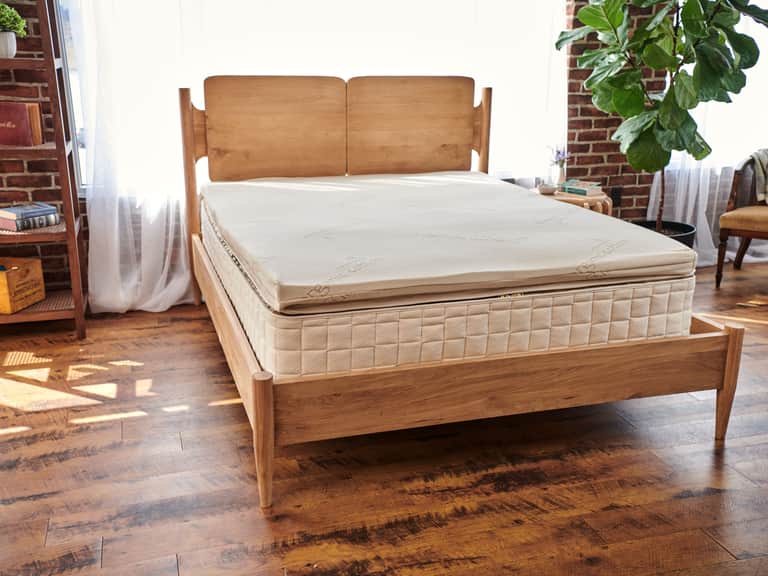
- Naturepedic Adagio Organic Dunlop Latex Mattress Topper: A 2" layer offering breathable pressure relief with a GOLS-certified latex core and organic cotton cover.
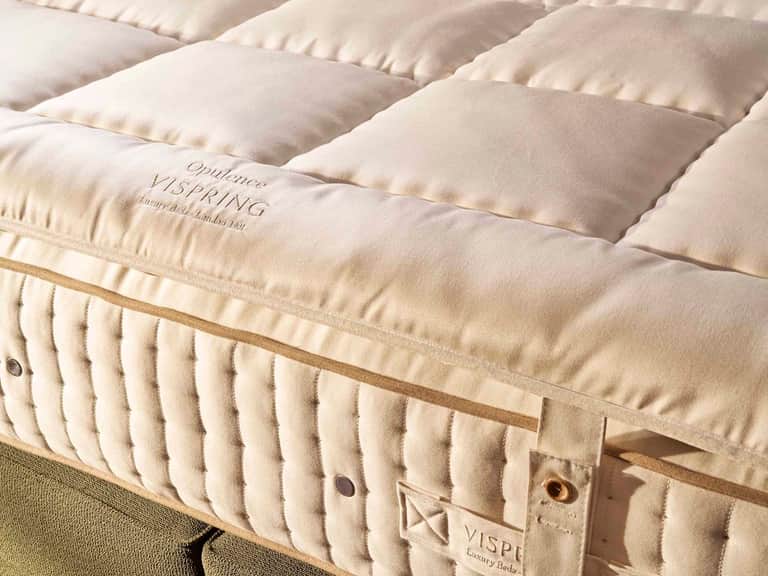
- Vispring Opulence Mattress Topper: A luxurious addition crafted with wool and silk, designed to optimize temperature regulation and contouring for a plush, supportive surface.
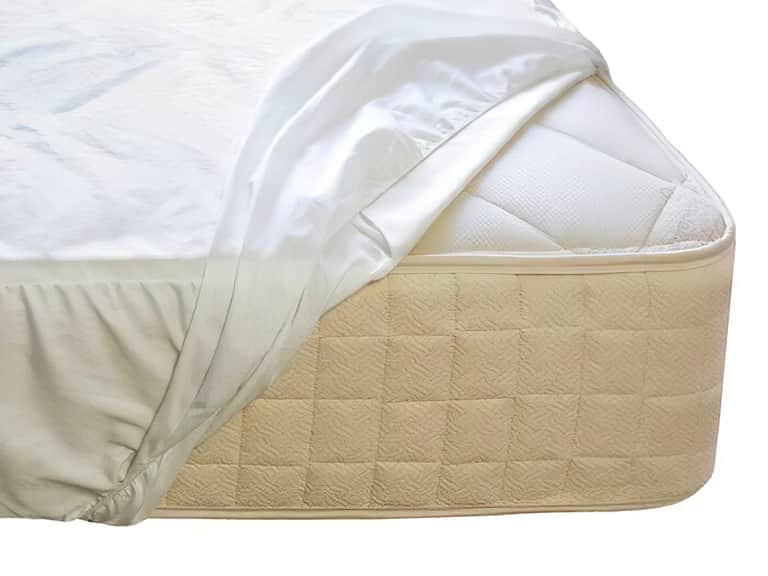
- Organic cotton mattress protectors and encasements: Ventilate moisture while guarding against allergens, enabling longer mattress life without compromising comfort.
Materials like wool regulate temperature naturally, while latex cores provide resilient bounce and pressure relief. The right combination can help maintain an ideal microclimate through the night, reducing wakefulness caused by heat or cold. This nuanced, sensory approach to bedding mirrors the broader theme of sleep hygiene: small, thoughtful choices yield meaningful, long-term improvements in rest.
5) The Role of Individual Variability: Insights Across Time Periods
Sleep is a universal need, yet it manifests differently across populations and eras. By surveying a range of historical and scientific perspectives, we can illuminate how practices adapt to changing environments, technologies, and cultural norms. Here are three key individuals from different time periods whose ideas illuminate the tapestry of sleep hygiene:
- Hippocrates (c. 460–370 BCE): Often considered the father of medicine, he recognized the importance of rest for health and advocated natural rhythms and moderation in daily life as foundations for well-being.
- Franz Boas (1858–1942): A founder of modern anthropology, Boas’s explorations into diverse cultural practices reveal that sleep rituals are deeply embedded in social and environmental contexts, underscoring that sleep hygiene benefits from cultural sensitivity and adaptability.
- Dr. Matthew Walker (born 1972): A contemporary neuroscientist whose work on circadian rhythms and sleep architecture emphasizes the scientific basis for sleep hygiene, including light exposure, sleep timing, and REM/NREM balance.
These figures—one ancient, one cultural-analytic, and one modern-science oriented— illustrate how the pursuit of better sleep has persisted through centuries. The throughline is a simple one: consistent routines, supportive environments, and bedding choices that align with natural physiology yield deeper, more restorative rest. In this way, sleep hygiene remains a living discipline, informed by age-old wisdom and refined by contemporary science.
6) A Practical, Visual Guide to Implementing Sleep Hygiene
To help translate these concepts into daily life, consider a practical framework you can implement this week. The following checklist blends routine, environment, and bedding choices:
- Establish a fixed bedtime and wake time, with a 60-minute wind-down period before bed.
- Cool the bedroom to a comfortable temperature and minimize light exposure using blackout curtains or a sleep mask.
- Choose bedding materials that promote breathability and temperature regulation, such as a natural latex topper or wool-filled layers.
- Avoid heavy meals and caffeine close to bedtime; hydrate earlier in the day.
- Incorporate a short, calming pre-sleep routine (breathing, gentle stretching, or mindfulness).
As you integrate these practices, observe how your sleep quality responds. Journaling or tracking wake times and perceived restfulness can reveal patterns and guide refinements. Sleep hygiene is not a one-size-fits-all prescription; it is a personalized, evolving program that honors both physiology and circumstance.
A Note on Product Choices: A Practical Lens
The bedding landscape offers a spectrum of materials and configurations, each with distinct advantages for rest. For readers who want actionable options, two robust examples from the bedding sector illustrate how science and luxury intersect:
Naturepedic Adagio Organic Dunlop Latex Mattress Topper
A 2" topper featuring GOLS-certified organic Dunlop latex, wrapped in organic stretch-knit cotton. It offers a smooth, breathable cushion that can soften a firmer mattress while maintaining support.
Key benefit: Balanced pressure relief with natural materials.
Vispring Opulence Mattress Topper
An ultra-luxury topper using platinum-certified wool, soft-needled British wool, and silk. This piece is engineered to regulate temperature, cushion deeply, and preserve spine alignment with a plush, luxurious surface.
Key benefit: Premium comfort and temperature regulation for discerning sleepers.
These items illustrate a broader theme: the right topper or protector can be a meaningful, cost-effective way to optimize nightly rest without overhauling an entire mattress. When selecting bedding for sleep hygiene, prioritize breathability, temperature-regulating materials, and alignment-supporting properties. Such choices align with evidence favoring stable circadian cues and a cool, dark sleep environment.
Conclusion: A Century-Spanning Practice for a Healthier Night
Sleep hygiene is a practical, evidence-based philosophy that blends ancient wisdom with modern neuroscience. It invites readers to craft a nightly rhythm that respects the body’s natural tendencies while embracing the comforts of well-chosen bedding. In the spirit of exploration that defines National Geographic, this guide encourages you to observe, adjust, and refine your approach—one night at a time. With consistent habits, a sanctuary-friendly bedroom, and thoughtful bedding, you can reimagine sleep not as a passive escape but as an active, daily investment in health, clarity, and well-being.
Note: This article integrates product considerations within a practical framework for improving sleep hygiene. The inclusion of specific toppers and protectors demonstrates how contemporary bedding solutions can complement timeless habits, supporting healthier rest for readers across time.